Can Antioxidants Support Skin Elasticity?

Skin elasticity is not just a cosmetic concern. It is a visible marker of how well the skin’s structural systems are holding up against time, sun exposure, stress, and environmental demand. So, can antioxidants support skin elasticity? They can play a meaningful supporting role - particularly when they help manage oxidative stress that can contribute to collagen and elastin breakdown.
That does not make antioxidants a shortcut to firmer-looking skin. Elasticity depends on more than one pathway, and topical care, UV protection, nutrition, sleep, and overall metabolic health all matter. But for adults taking a proactive healthy aging approach, antioxidant support belongs in the conversation.
What Gives Skin Its Elasticity?
Elasticity is the skin’s ability to stretch and return toward its original shape. This function relies heavily on the dermis, the deeper skin layer that contains a dynamic extracellular matrix. Collagen provides strength and structure, while elastin gives skin its recoil. Hyaluronic acid and other molecules help maintain hydration and the environment these fibers need to function well.
Over time, collagen production naturally slows. Existing collagen becomes more fragmented, elastin fibers can lose organization, and the skin’s support network becomes less efficient. This can show up as fine lines, a less resilient texture, and skin that does not bounce back as readily.
Chronological aging is only part of the equation. UV radiation, air pollution, smoking, highly processed diets, poor sleep, and persistent stress can accelerate oxidative stress. That is where antioxidants become strategically relevant.
How Oxidative Stress Affects Collagen and Elastin
Oxidative stress occurs when reactive oxygen species outpace the body’s antioxidant defenses. Reactive oxygen species are normal byproducts of metabolism, and they also rise in response to UV exposure and environmental stressors. The issue is not their existence. The issue is sustained excess.
In skin, this excess can activate enzymes known as matrix metalloproteinases. These enzymes are involved in normal tissue remodeling, but when they are overactive, they can contribute to the degradation of collagen and other structural proteins. Oxidative stress may also interfere with the cellular signaling involved in collagen production.
Think of antioxidants as part of the skin’s defense infrastructure. They can help neutralize reactive species and support the body’s own protective systems. By reducing one source of pressure on the dermal matrix, antioxidants may help create a more favorable environment for maintaining skin resilience.
The key word is may. Skin elasticity is influenced by genetics, hormone changes, cumulative sun exposure, protein intake, and the quality of your skin-care routine. Antioxidants work best as part of a complete strategy, not as a standalone promise.
Which Antioxidants Matter for Skin Elasticity?
Different antioxidants work through different mechanisms and are found in different places. A well-designed approach does not depend on one ingredient alone.
Vitamin C is a foundational example. In addition to its antioxidant activity, vitamin C is required for collagen synthesis. Without adequate vitamin C, the body cannot effectively form and stabilize collagen. Dietary intake matters, while topical vitamin C can provide more direct support at the skin’s surface.
Vitamin E is a fat-soluble antioxidant that helps protect cell membranes from oxidative damage. It is often paired with vitamin C in topical formulas because their functions can be complementary, particularly in the context of UV-related oxidative stress.
Carotenoids, including beta-carotene, lycopene, lutein, and astaxanthin, accumulate in skin tissue and may help improve the skin’s resilience against photoaging stress. Their effects tend to build over time through consistent dietary or supplemental intake rather than appearing overnight.
Polyphenols, a broad family of plant compounds, are another area of interest. Resveratrol is among the most recognized polyphenols in healthy aging research because of its relationship to oxidative stress response, cellular signaling, and longevity-associated pathways. Preclinical evidence is compelling, while human skin outcomes remain an active area of research and depend heavily on dose, delivery, and formulation quality.
Why Bioavailability Changes the Conversation
Not all antioxidant supplements perform the same way once swallowed. An ingredient can look impressive on a label yet have limited practical value if it is poorly absorbed, rapidly metabolized, or does not reach meaningful levels in the body.
Resveratrol is a clear example. Standard resveratrol has historically faced bioavailability challenges, meaning much of the ingredient may be metabolized before it can support the intended physiological pathways. For consumers focused on measurable healthy aging support, that limitation matters.
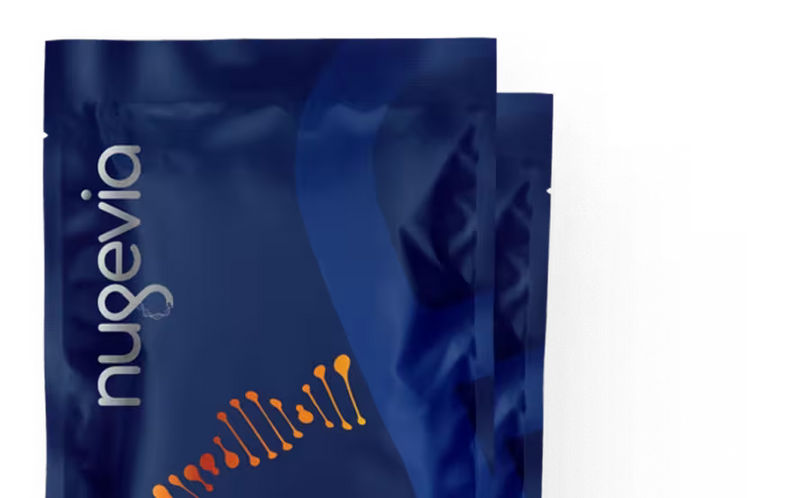
Advanced delivery systems are designed to address this gap. Nugevia uses JOTROL™, a patented micellar resveratrol formulation engineered to improve absorption and tolerability compared with standard resveratrol. This kind of formulation-first thinking is especially relevant when choosing a premium antioxidant supplement: the question is not simply whether an ingredient is included, but whether the body can effectively use it.
Still, better absorption does not mean a supplement replaces sun protection, dermatologic care, or a nutrient-dense diet. It means the ingredient has a stronger opportunity to contribute to a well-built internal support strategy.
Can Antioxidants Support Skin Elasticity From the Inside?
Yes, but the most credible answer is nuanced. Oral antioxidants can support the biological conditions associated with skin health, including protection from oxidative stress and, in some cases, pathways involved in collagen maintenance. Results are usually gradual and can be modest, especially when someone expects a supplement to correct years of UV exposure or lifestyle strain.
The strongest internal strategy starts with food. Colorful produce supplies vitamin C, carotenoids, and polyphenols alongside fiber and micronutrients that support overall metabolic health. Adequate protein provides amino acids needed for collagen production. Hydration helps, although drinking more water than your body needs will not independently rebuild the dermal matrix.
Supplementation can be useful when it closes a nutritional gap or offers targeted support that is difficult to achieve consistently through diet alone. It may be particularly relevant for high-performing adults whose travel, training demands, work stress, or sun exposure increase their interest in oxidative defense.
What matters most is consistency. Skin remodeling operates on a longer timeline than a single workout or a short-term energy boost. Evaluate a skin-focused nutrition routine over weeks and months, not days.
A Smarter Skin-Elasticity Strategy
Antioxidants are most effective when they are not forced to compensate for avoidable damage. Daily broad-spectrum sunscreen is the highest-value external step because UV exposure is a major driver of collagen degradation. A well-formulated topical antioxidant can complement sunscreen by addressing free-radical stress that still occurs despite responsible protection.
From the inside, prioritize sufficient protein, vitamin C-rich foods, colorful plants, and a routine that supports sleep and recovery. If you choose a supplement, look beyond ingredient quantity. Consider the form, delivery technology, quality standards, and whether the formula aligns with your goals - such as radiance, collagen support, performance, or broader healthy aging.
Be realistic about trade-offs. Higher-dose antioxidant supplementation is not automatically better, and some antioxidants can interact with medications or be inappropriate in specific clinical situations. If you use prescription medications, are pregnant or nursing, or are managing a medical condition, consult a qualified healthcare professional before adding a new supplement.
The Better Question to Ask
Rather than asking whether one antioxidant can restore skin elasticity, ask whether your daily routine is protecting the skin’s structural foundation. That foundation is built through repeated decisions: wearing sunscreen, eating for cellular health, managing recovery, and choosing bioavailable nutritional support when it fits your plan.
Antioxidants can be valuable allies in that system. Their role is not to erase biology. It is to help your skin meet the oxidative demands of a full life with stronger internal support - a disciplined investment in resilience, radiance, and healthy aging.
chosen by experts