Brain Health Trends Shaping Healthy Aging

A high-performing brain is not built by one productivity hack, a single supplement, or an occasional good night of sleep. The most consequential brain health trends are moving toward a more disciplined model: protect the systems that shape cognition every day, then choose targeted interventions with evidence, quality, and delivery in mind.
For adults investing in longevity, that shift matters. Cognitive clarity, sustained energy, mood regulation, and resilience under pressure are not separate goals. They are closely connected outcomes influenced by sleep, metabolic health, physical activity, stress load, nutrition, and the biology of healthy aging.
Brain Health Trends Are Becoming More Measurable
The era of vague wellness promises is losing ground. Consumers increasingly want to know what a brain-health routine is designed to support, how they will evaluate it, and whether the formulation can realistically deliver an active ingredient where it is needed.
That does not mean every brain-health decision requires a wearable, a blood panel, or a spreadsheet. It means treating subjective changes with more rigor. Notice afternoon focus, recall during demanding work, sleep continuity, training recovery, and the ability to stay composed during a full week. These are practical signals that often matter more than chasing a single cognitive score.
The trade-off is that measurable wellness can become obsessive if every fluctuation is treated as a problem to solve. Brain performance naturally changes with workload, travel, illness, hormonal shifts, and sleep debt. The goal is to recognize patterns over time, not demand perfection from every day.
Sleep Is Being Treated as Cognitive Infrastructure
Sleep remains one of the most decisive, and most underappreciated, performance variables. During sleep, the brain supports memory processing, emotional regulation, and cellular maintenance. Consistently short or fragmented sleep can make even an otherwise thoughtful cognitive-support strategy feel ineffective.
The current trend is less about chasing a perfect sleep score and more about protecting the fundamentals: a stable wake time, morning light exposure, a cooler and darker bedroom, and a realistic cutoff for late-night work and alcohol. These practices are not glamorous, but they create the conditions for clearer thinking the next day.
Sleep support is highly individual. A parent of young children, a frequent traveler, and a professional working late across time zones face different constraints. Instead of building an elaborate routine that lasts one week, identify the single disruption with the greatest impact and address it consistently.
Metabolic Health Is Now Part of the Brain Conversation
The brain has substantial energy demands, which is why metabolic resilience has become central to healthy aging discussions. Large swings in energy, irregular meals, minimal movement, and poor sleep can all affect how steady and mentally sharp a person feels throughout the day.
This does not require a rigid dietary ideology. For some people, a protein-forward breakfast and fewer ultra-processed snacks can reduce midafternoon crashes. Others may benefit most from more regular meals, better hydration, or eating enough to support demanding training. The best approach is the one that improves energy stability without creating unnecessary restriction.
Exercise is equally relevant. Aerobic conditioning supports cardiovascular fitness and circulation, while resistance training helps preserve muscle, glucose regulation, and physical independence with age. Neither has to become an endurance event. Consistent training that fits real life will outperform an ambitious plan abandoned after a month.
The Focus Is Shifting From Stimulation to Resilience
Many people first approach cognitive support through stimulation: more caffeine, stronger pre-workout formulas, or anything promising immediate intensity. Stimulation can have a place, especially when used strategically. But it is not the same as sustained cognitive resilience.
A resilience-first approach asks a better question: can you maintain clear, composed performance without borrowing heavily from tomorrow? That framing elevates foundational habits and encourages more discerning use of nutrition and supplementation.
It also acknowledges stress as a biological load. High achievement does not require a permanently activated nervous system. Short walks between meetings, deliberate recovery after training, social connection, and protected time away from screens can support a more sustainable performance baseline. These are not soft substitutes for ambition. They are part of the operating system that allows ambition to last.
Delivery Technology Is Becoming a Deciding Factor
Ingredient familiarity is no longer enough for educated consumers. Resveratrol is a clear example. It has long been associated with healthy aging research, but conventional resveratrol products can face limitations involving absorption and tolerability. A large dose on a label does not automatically translate into meaningful availability in the body.
This has fueled demand for advanced delivery systems designed to improve bioavailability and more effectively support delivery of compounds of interest. When evaluating a premium formula, look beyond the ingredient name. Consider the form, the dose, the delivery technology, the rationale for the formulation, and whether the brand can explain its standards clearly.
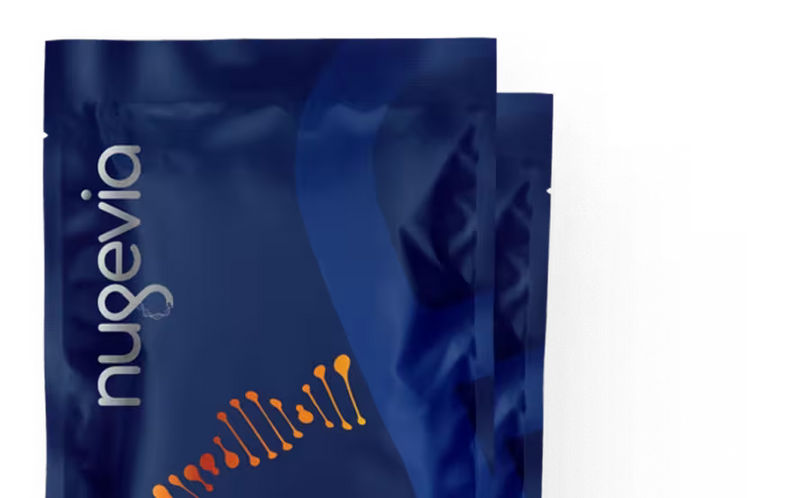
For those considering resveratrol, a patented micellar formulation may offer a more sophisticated alternative to standard powders or capsules. Nugevia centers its science-led approach on JOTROL™, a micellar resveratrol technology designed to support enhanced bioavailability and central nervous system delivery at lower doses than conventional resveratrol.
Supplements should complement an already sound routine, not compensate for chronic sleep deprivation, poor nutrition, or unmanaged health concerns. They also require context. Individuals who are pregnant, nursing, managing a medical condition, taking medications, or preparing for a procedure should discuss supplements with a qualified healthcare professional.
Personalization Is Replacing One-Size-Fits-All Stacks
The most useful brain-health strategy is often narrower than the internet suggests. A professional with excellent fitness but poor sleep may not need another energy product. Someone who sleeps well but struggles with sedentary workdays may benefit more from movement structure. A midlife adult prioritizing healthy aging may focus on long-term metabolic, cardiovascular, and nutritional support rather than chasing a short-lived nootropic effect.
Start by identifying the outcome that matters most right now: sharper focus during demanding work, more dependable energy, better recovery, or proactive support for healthy aging. Then choose a small number of actions that align with that outcome and give them enough time to become meaningful.
This approach is also financially smarter. A cabinet full of overlapping products can create confusion, inconsistent use, and inflated expectations. Premium wellness should feel intentional. Every product and habit should have a clear role.
Social Connection and Purpose Are Returning to the Evidence Base
One of the more encouraging brain health trends is the renewed attention to factors that cannot be put in a capsule. Meaningful relationships, intellectual engagement, a sense of purpose, and regular participation in community all contribute to a life that keeps the brain active and engaged.
These factors are often dismissed because they are difficult to quantify and difficult to sell. Yet they shape daily stress, motivation, behavior, and adherence to every other health practice. A training plan is easier to maintain with a friend. Sleep improves when work boundaries are supported at home. Nutritious meals become more consistent when they are part of a shared routine.
Healthy aging is not a project of optimization at all costs. It is the ability to preserve capacity for work, movement, relationships, curiosity, and enjoyment across the years.
A More Intelligent Standard for Cognitive Support
The strongest trend is not a new ingredient or device. It is a higher standard of discernment. Consumers are learning to distinguish between an exciting claim and a credible strategy, between a commodity supplement and a formulation designed with delivery in mind, and between temporary stimulation and durable performance support.
Build your brain-health routine around what makes your life more capable, not more complicated. Protect sleep, train consistently, eat for stable energy, manage stress with the same seriousness as work, and choose science-led nutritional support that earns a place in the routine. The most valuable result is not a fleeting feeling of intensity. It is having the clarity and resilience to keep showing up for the life you intend to build.
chosen by experts