Brain Fog Supplements Worth Your Attention

That 3 p.m. mental stall is rarely solved by another cup of coffee. When you are rereading the same email, losing your train of thought in meetings, or struggling to access words you know are there, the right brain fog supplements may help support cognitive clarity. But the supplement aisle is full of broad promises, underdosed formulas, and ingredients that sound more advanced than the evidence behind them.
A smarter strategy starts with the cause. Brain fog is not a diagnosis. It is a practical description for sluggish focus, poor recall, low mental energy, and the sense that your thinking is operating one step behind. Sleep debt, chronic stress, dehydration, low calorie intake, hormonal shifts, medication effects, nutrient deficiencies, and metabolic health can all contribute. A premium supplement should complement the foundations of performance, not ask you to overlook them.
What Brain Fog Supplements Can Realistically Do
The best brain fog supplements do not create artificial mental intensity. They help support the biological conditions that make steady cognition possible: energy metabolism, circulation, neuronal communication, stress resilience, and restorative sleep. The expected outcome is not a dramatic overnight transformation. It is a more reliable baseline - clearer attention, fewer afternoon dips, and better capacity to stay engaged with demanding work.
That distinction matters. An ingredient with compelling cell or animal research may not consistently improve cognitive performance in healthy adults. A nutrient that benefits someone with a genuine deficiency may offer little to a person whose status is already optimal. And an ingredient can be well researched yet underperform in a finished product because the dose, formulation, or absorption is not adequate.
For health-conscious adults investing in healthy aging, quality control and delivery technology deserve as much attention as the ingredient list. A label is not a performance guarantee.
How to Evaluate a Cognitive Formula
Start with the outcome you want to support. Acute focus before a presentation is different from sustained cognitive resilience during a demanding season of work. Sleep disruption, mental fatigue, and age-related concerns also call for different decisions. A formula designed to make you feel stimulated may be a poor fit if your brain fog is connected to stress or fragmented sleep.
Next, look for transparent dosing. Proprietary blends can make it difficult to know whether an ingredient is present at a meaningful amount. This does not mean every effective product must contain a long list of ingredients. In fact, focused formulas are often easier to evaluate and easier to tolerate.
Then assess bioavailability. Many wellness ingredients are limited not by their theoretical potential, but by what the body can absorb and use. This is especially relevant for polyphenols, including resveratrol. A standard powder may look impressive on a label while delivering inconsistent real-world exposure.
Finally, consider tolerability and timing. A formula that causes jitters, digestive discomfort, or impaired sleep is working against cognitive performance. The most sophisticated approach is one that supports your routine rather than demanding that your routine adapt to it.
Ingredients With a Rational Role in Cognitive Clarity
There is no universal “brain ingredient,” but several categories have a credible role depending on your needs and health status.
Caffeine and L-theanine for short-term focus
Caffeine can improve alertness, reaction time, and perceived energy. Pairing it with L-theanine may produce a smoother experience for some people, with less subjective tension than caffeine alone. This combination is best viewed as an acute performance tool, not a solution for persistent brain fog.
Its trade-off is clear: timing matters. Late-day caffeine can compromise sleep quality, and poorer sleep is one of the fastest ways to deepen cognitive fatigue the following day. If you already feel wired and depleted, more stimulation may not be the answer.
Creatine for brain energy support
Creatine is widely recognized for physical performance, but it also plays a role in cellular energy availability. Research suggests it may be particularly helpful during periods of sleep deprivation or high cognitive demand, and it can be relevant for people who consume little or no dietary creatine from animal foods.
Results are not uniform across every population, but creatine is a practical example of how a performance nutrient can extend beyond the gym. Consistency matters more than taking it only on high-pressure days.
Omega-3 fatty acids for long-term brain health
DHA is a major structural fat in the brain, making omega-3 status relevant to long-term neurological health. Supplementation is not an immediate fix for a foggy afternoon, and cognitive outcomes vary across studies. Still, adults who eat little fatty fish may have a practical reason to discuss omega-3 intake with a healthcare professional as part of a broader healthy aging plan.
Look beyond front-label fish oil claims. The EPA and DHA amount, freshness, and your overall diet all matter.
B vitamins when a deficiency is involved
Vitamin B12, folate, and other B vitamins are essential to normal neurological function and energy metabolism. If brain fog is related to a deficiency, correcting that deficiency can be meaningful. If it is not, high-dose B-complex products are unlikely to function as a universal cognitive enhancer.
This is where testing can be more valuable than guessing, especially for adults following plant-based diets, taking acid-reducing medications, or experiencing persistent fatigue alongside cognitive changes.
Magnesium and sleep-supportive nutrients
Magnesium does not directly create laser focus. Its value may be more indirect: supporting relaxation, muscle function, and sleep quality in people with inadequate intake. The same principle applies to other sleep-oriented ingredients. Better sleep architecture can improve next-day clarity more reliably than chasing a stronger stimulant.
Resveratrol and the Bioavailability Question
Resveratrol has earned attention in longevity science for its role as a plant-derived polyphenol and its relevance to cellular stress-response pathways. It is not a shortcut to perfect memory, and clinical cognitive findings remain nuanced. Its potential is also shaped by a persistent challenge: conventional resveratrol has limited bioavailability.
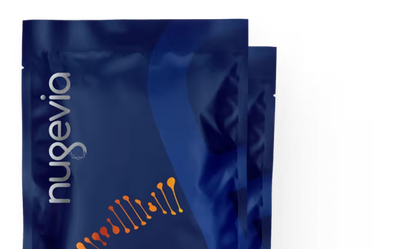
That is why delivery deserves scrutiny. A patented micellar formulation is designed to improve how an ingredient is dispersed and absorbed, potentially allowing meaningful exposure at lower doses than standard resveratrol. Nugevia applies JOTROL™ micellar resveratrol technology to make this category more purposeful for adults seeking cognitive clarity, vitality, and healthy aging support.
The key is to hold two ideas at once. Resveratrol is scientifically interesting, and a better-delivered formulation may be preferable to a generic high-dose powder. At the same time, no resveratrol product should be positioned as a treatment for cognitive decline, neurological disease, or unexplained changes in thinking.
Build a Better Protocol Before Adding More Products
If your goal is sustained mental performance, use supplements as part of a disciplined system. Start by protecting sleep timing, eating enough protein and fiber-rich whole foods, hydrating consistently, and taking short movement breaks during long periods of screen-based work. These habits influence glucose stability, stress load, circulation, and sleep pressure - all relevant to clear thinking.
Then introduce one new supplement at a time. Give it enough time to assess, track your response, and avoid changing five variables at once. Note focus, energy, sleep quality, digestion, and any shift in anxiety or headaches. This is not about becoming overly rigid. It is about making an informed investment rather than collecting half-used bottles.
When Brain Fog Deserves Medical Attention
Persistent or worsening brain fog should not be dismissed as a productivity problem. Speak with a qualified healthcare professional if symptoms are new, severe, associated with depression or anxiety, follow an illness, interfere with daily function, or occur alongside numbness, weakness, significant headaches, vision changes, chest symptoms, or unexplained weight changes.
It is also wise to review medications and supplement interactions. Resveratrol and other concentrated botanicals may not be appropriate for everyone, particularly people using anticoagulants, managing chronic conditions, or preparing for surgery. Premium supplementation includes knowing when individualized care comes first.
The most valuable formula is the one that fits the real reason your focus has changed. Choose ingredients with a credible purpose, insist on transparent dosing and intelligent delivery, and build the daily habits that let cognitive clarity last beyond the moment you take a capsule.
chosen by experts